Rārangi Dawn Chorus
With Cloudy Bay to the east, a long and unique wetland area to the west dividing the residential township from vineyards, and the DOC land to Whites Bay and beyond we have quite a unique situation.
 In 2016 inspired by the government's Predator Free New Zealand initiative a meeting of locals was set up to find out how the Rarangi community felt about predators of local fauna in the area. After communicating with the Department of Conservation as a lot of land around Rarangi is under their juristiction, a predator trapping programme was planned with priority for the bush areas to Whites Bay and the wetlands in south Rarangi.
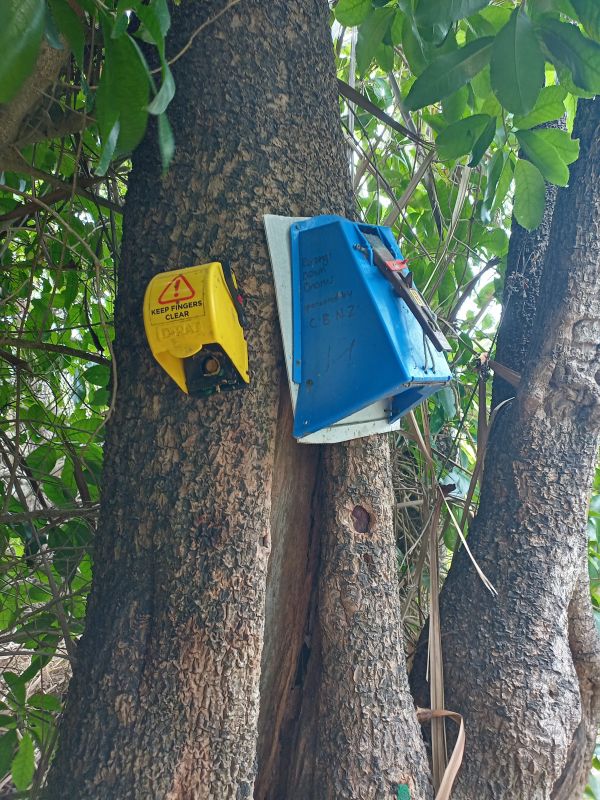
In 2017 NZ Scout Association donated 150 rat traps in boxes which kick started the project at Whites Bay. Since then we have received funding from Forest and Bird, Marlborough District Council, Blue Door and Pub Charities. Constellation vineyard donated a large number of stoat traps
Trapping for predators is the Dawn Chorus’ main focus, but we consider everything has its place on the planet and we want to be the ones that keep the balance in favour of the native wildlife. Until we can change the focus, trapping is the most effective way for us to make a difference.
Where we set Traps
The large block of DOC land north with well established regeneration bush means the Rarangi area has a good selection of native birds - regular visitors to the Rarangi gardens, to the delight of people living here. We have set up traps around the walking tracks around Whites Bay.
West of Whites Bay there are tracks up to Mount Robertson looping round to the Pukaka Valley. This is quite an effort to walk and currently there is a trap line up towards th summit.
A trapline runs along the Hinepango Wetlands which is inland from Cloudy Bay, between the lifestyle blocks and vineyards. This is a popular walking track it’s own unique environment.
The Volunteers
Rarangi Dawn Chorus would not exist without the volunteers, and we are a motley bunch. From young families to retirees, the super fit and the recreational walkers. Thankfully we have a magic environment, and Whites Bay is a jewel of a place.
We have a roster to ensure we keep the traps monitored weekly, no-one is expected to trap in foul weather, although the hardy ones go out in all weather. Health and Safety is important so we make sure everyone is aware of guidelines set out by DOC.
The Predators
There is an obvious predator population, possums were a regular road kill. Sightings of mustelids (stoats and weasels) are reported. Feral cats are known to be in the area as well as the dumping of unwanted cats and kittens.
There are so many factors in the habits of these creatures that it is difficult to know some are seasonal some territorial, stoats roam very large areas, possums pass through, rats roam and mice stick to 50 meter zones.
Traps and Bait:
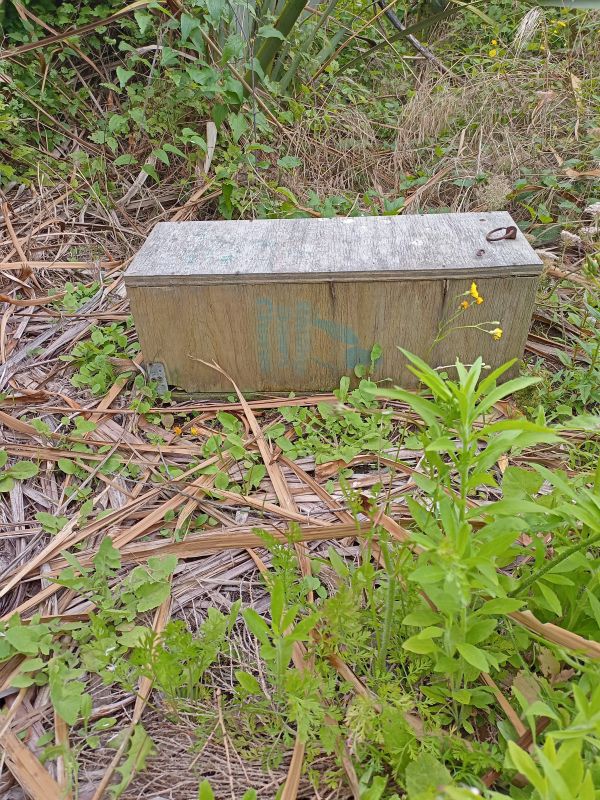
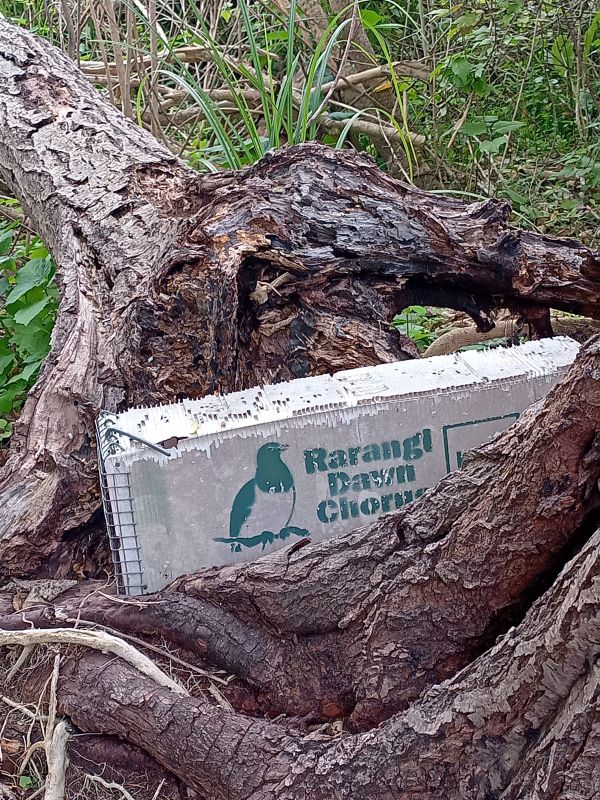
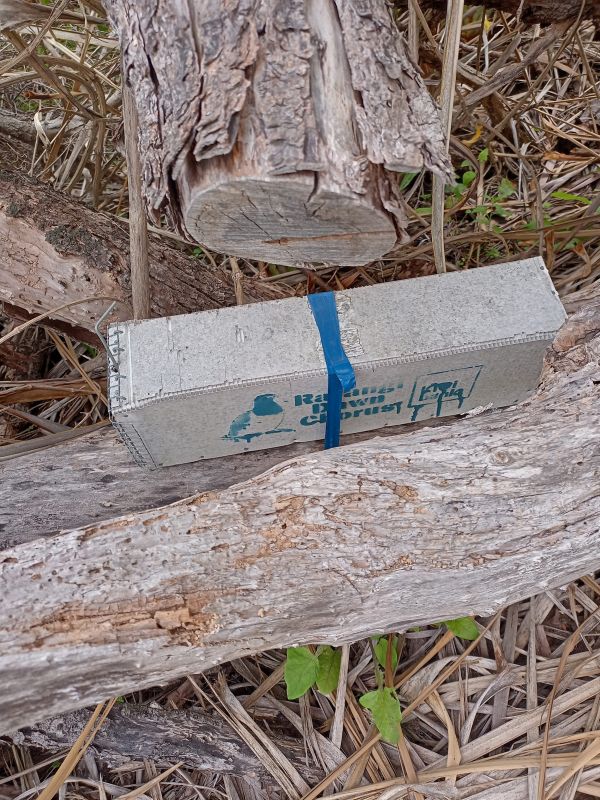
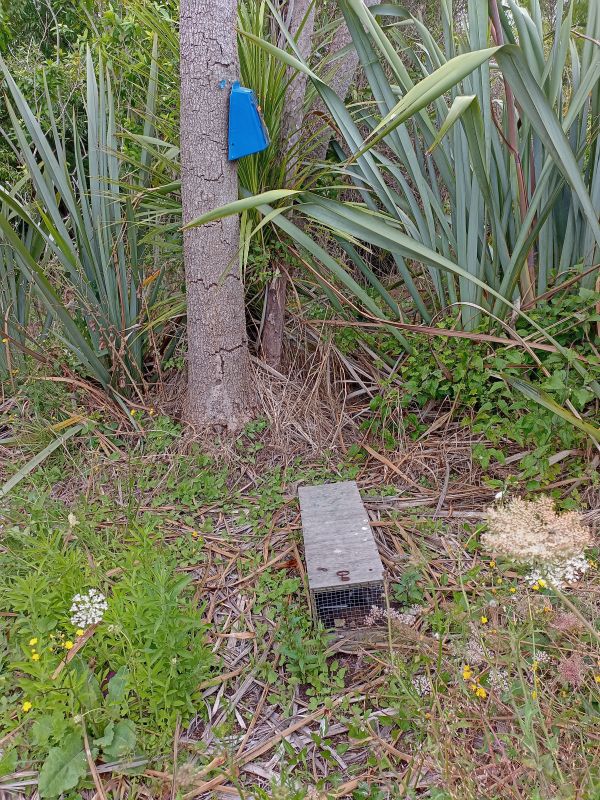
All ground traps have to be in boxes, generally to deter nosey wekas, these boxes are built by locals with materials often coming from their own sheds.
Setting traps can be a tricky business, and everyone who has done any trapping will have opinions about the best type of trap; the best bait and the best way to handle the trap. So if anyone has any suggestions, they are welcome.
For the rat traps we use peanut butter – supplied by Pic’s Peanut Butter Company. Possum traps we use apple dusted in cinnamon. There are many alternatives to bait and lures as yet the magic irresistible answer has yet to be found. Bait is replenished weekly. but have found generally that the peanut butter and apple cinnamon are reliable. We use either meat or fish in the stoat traps.
The Results
Whites Bay
When we started in 2017 we only had the rat traps donated by the Scouts, what we got was not what we expected . Mice: tens and tens of mice. Late in the year we bought our first possum traps.
Results have settled over time, on the traplines which have been operating since 2017 now average single figures for possums a week. Rats keep up a similar number, but stoats are a rarity to catch. Up to the end of 2025
Mice: 1440.
Rats: 495.
Possums:1215
Mount Robertson
With 20 to 25 working possum traps which are manually checked twice a week the average catch is around 25 to 30 possums per week. This is an excessive number of possums. Our hope is to get more funding to enable us to place sophisticated automatic traps. In two years over 2,000 possums have been caught.
Hinepango Wetlands
Started in October 2018 using possum traps and DOC200 stoat traps. Early a few possums were trapped every week, but as time has gone by there have been a lot less. In 2025 catches are nearly all rats and mice.